
What is ZapTap Auto Clicker?
It is an automation tool that repeats taps, clicks, swipes, and timed actions to reduce repetitive manual input in tests, app workflows, and everyday productivity tasks.
Open full answerStart with the most common questions, jump by category from the sticky navigation, and expand any answer in place. This page is organized like a clean help center instead of a long, unstructured list.
Core features, common use cases, and what the tool is designed to do.
Safety Is it safe and legal?Answers about safety, privacy, and how automation fits within platform rules.
Devices How do I install it on my phone?iPhone and Android download paths, setup basics, and first-run tips.
Platform rules Can I use automation on third-party platforms?Policy questions, responsible usage guidance, and starter settings for permitted workflows.
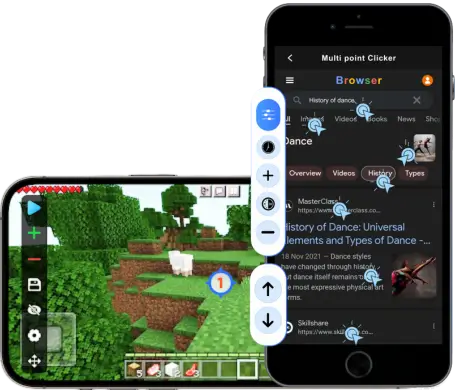
These are the questions most visitors ask first. Use them as a quick overview before moving into the full sections below.

It is an automation tool that repeats taps, clicks, swipes, and timed actions to reduce repetitive manual input in tests, app workflows, and everyday productivity tasks.
Open full answerYes, when downloaded from official sources. It is built to automate input actions rather than modify apps or inject malicious code.
Read safety detailsYes. There are dedicated pages for iPhone and Android, each with platform-specific instructions and official download links.
View device guidesIt depends on the platform's terms of service. Always confirm that automated input is allowed before using any tool.
See platform guidanceStart here if you are new to ZapTap Auto Clicker and want to understand the product before comparing platforms or advanced settings.
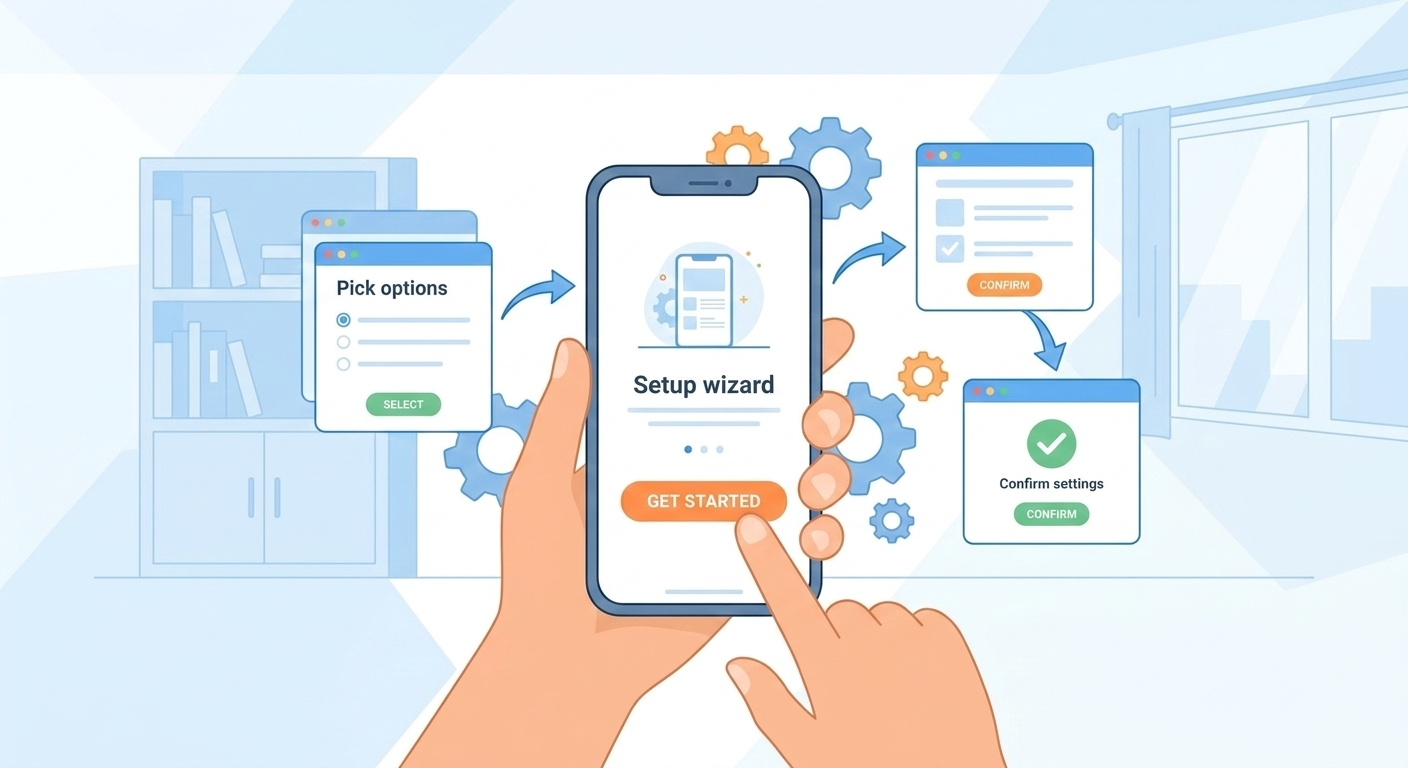
ZapTap Auto Clicker is an automation tool that repeats input actions such as clicks, taps, swipes, and timed sequences. It is useful for repetitive tasks where manual input is slow, tiring, or error-prone.
Typical use cases include app testing, repeated form interactions, social media routines, data-entry flows, and other workflows where the same pattern needs to run over and over.
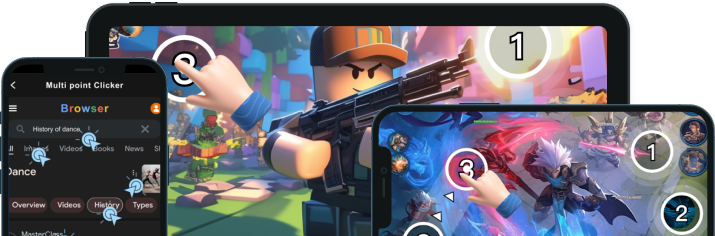
Its main strengths are adjustable speed, repeat timing, multi-point actions, and a simple interface that is easy to learn.
An auto clicker reduces repetitive strain, saves time, and keeps your input timing more consistent than manual clicking.
That matters in regression testing, repeated data-entry steps, scheduled workflows, and background tasks where reliability matters more than manual control.
A good auto clicker should be stable, easy to configure, transparent about permissions, and flexible enough to support fixed positions, variable intervals, and repeated sequences.
It should also work well across devices without relying on a bloated interface or untrustworthy behavior that makes the tool feel unsafe.
These answers cover the questions people usually ask before installing automation software: Is it safe, is it legal, and where is it appropriate to use?

Yes. ZapTap Auto Clicker is safe and ad-free when downloaded from official sources. It is designed to run without accessing sensitive user data or system files, and it focuses on local, user-controlled automation.
As with any utility software, avoid unofficial repacks, mirror sites, and modified builds.
Auto clickers are general automation tools and are not inherently illegal software. However, apps, websites, and platforms may define their own rules for automated input in their terms of service.
Before using any automation tool, review the relevant policy and use automation only where it is allowed.
Some apps may identify automated input patterns. Use automation tools responsibly, review the app or platform policy first, and avoid using automation in scenarios where it is not allowed.
ZapTap Auto Clicker is designed for general automation workflows, including testing, data entry, form filling, and other repetitive tasks.
These answers focus on iPhone and Android because they are the most common starting points for new users.
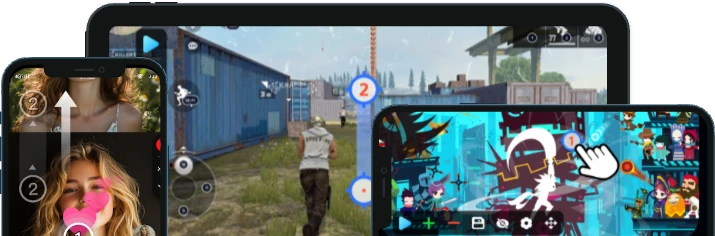
Yes. ZapTap Auto Clicker provides an iPhone-specific download path and usage page. If you want the most direct entry point, open the iPhone page and follow the App Store link there.
Open the iPhone download page, tap the App Store button, and install the app from the official listing.
After installation, follow any accessibility or onboarding guidance shown in the app so the actions you configure can run properly.
Yes. The Android version is designed for repetitive taps, swipes, app testing, and everyday automation patterns. You can start from the Android page for the official installation path.
Install the app from the Android download page, open it, allow the required accessibility or overlay permissions, and then configure your tap points and intervals.
For a clean first setup, begin with one tap point and one start or stop control before building more complex sequences.
Most platform questions come down to one thing: whether the service allows automated input for your specific use case.

Platform policies vary. Before using any automation tool, read the target platform's terms of service and usage policies, confirm that your workflow complies with those rules, and keep automation within permitted scenarios.
Check whether automated input is allowed, whether repeated actions could affect other users, and whether your workflow is compatible with the app's published rules.
ZapTap Auto Clicker is intended for transparent, user-controlled automation in permitted workflows.
Start with a moderate interval instead of the maximum possible speed. Choose the slowest setting that still completes the task reliably.
These answers help when the tool feels unstable, the overlay is not responding, or you are unsure how to tune your intervals.

The most common cause is a missing permission. Recheck accessibility, overlay, or background execution permissions based on your device.
If permissions look correct, restart the app once and test with a simple single-point action before adding more complexity.
Choose the slowest interval that still gets the job done. Slower, more moderate timing is usually easier to control and less likely to cause app instability.
Start with short test loops, then tighten the interval only if the target app still responds cleanly.
Reduce your automation speed, simplify the action sequence, and confirm that the app is still focused on the intended element.
Very tight loops can outrun animation states, network calls, or interface cooldowns, which often makes the target app feel unreliable even when the clicker is still running correctly.
If you already know the platform or use case, go directly to the dedicated pages for iPhone, Android, Chromebook, Roblox, or the CPS Test.